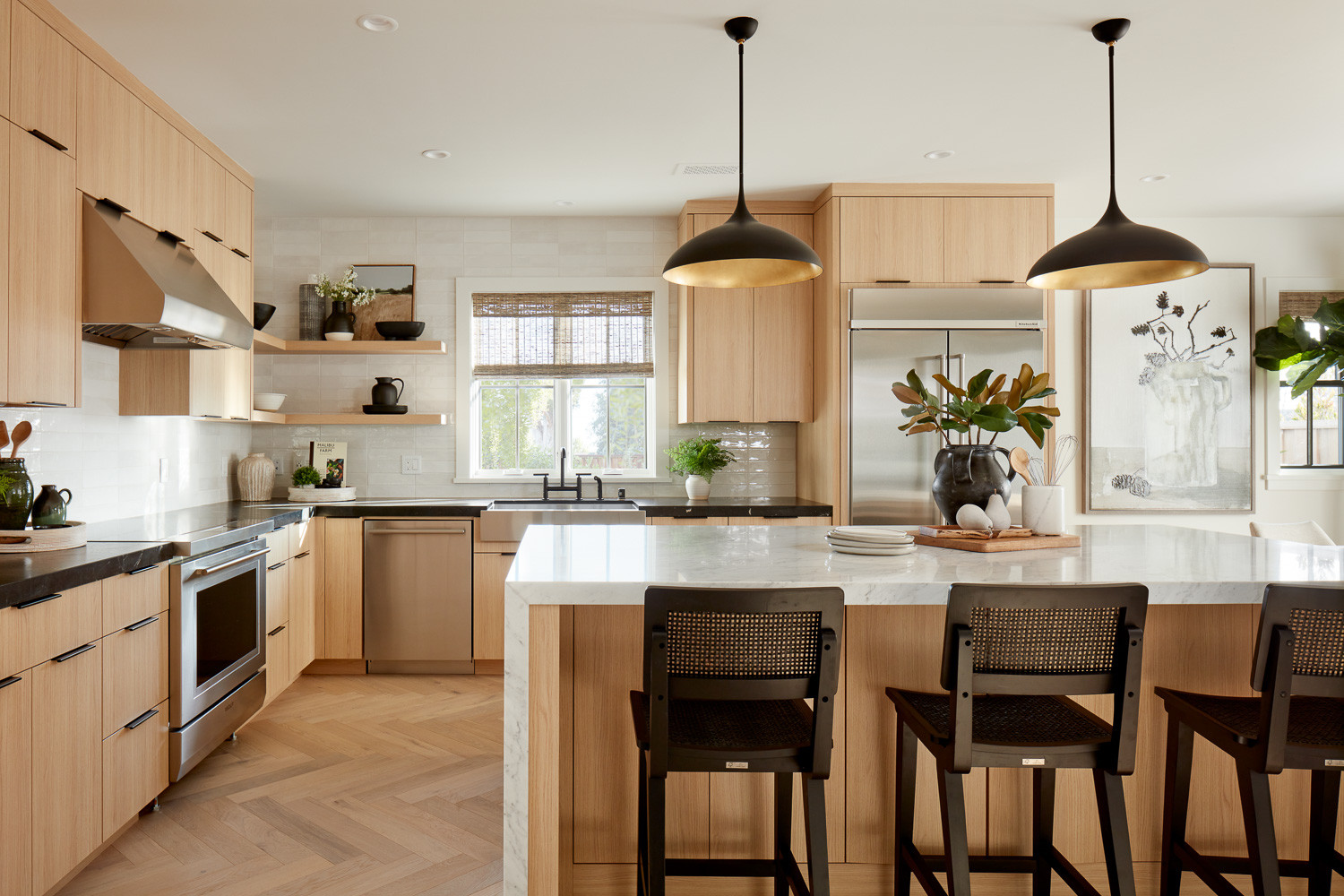
Understanding the Landscape of Kitchen Renovation Costs
The price tag on a kitchen renovation can vary dramatically, ranging from a modest $15,000 for cosmetic updates to well over $100,000 for a luxury overhaul. This vast difference highlights why a generic estimate simply won't suffice for your specific project. Your final budget hinges on a multitude of factors far beyond just the size of your kitchen. These critical elements include:- Scope of Work: Are you planning a simple refresh, a major remodel, or a complete structural transformation?
- Material Quality: The choices for cabinetry, countertops, flooring, and appliances can swing costs significantly.
- Labor Rates: Regional differences play a huge role, with urban and high-demand areas typically commanding higher prices.
- Plumbing and Electrical Updates: Moving or adding fixtures requires skilled tradespeople and often involves hidden complexities.
- Appliance Selection: From standard models to high-end professional-grade appliances, this category can be a major budget item.
- Permits and Inspections: Often overlooked, these are mandatory for structural, plumbing, or electrical changes.
Deconstructing Your Kitchen Remodel: Cost Breakdown by Scope
The scope of your kitchen remodel is arguably the most influential factor in its overall cost. Identifying which category your project falls into will help you better align your expectations with your budget.Minor Remodels: The Refresh
A minor kitchen remodel typically focuses on cosmetic enhancements without altering the existing layout. This might include:
- Painting walls and ceilings
- Refacing existing cabinets (keeping the boxes, replacing doors and drawer fronts)
- Replacing countertops with a cost-effective material like laminate
- Upgrading the sink and faucet
- Installing a new backsplash
- Updating light fixtures
Mid-Range Remodels: The Functional Upgrade
Stepping up from a minor refresh, a mid-range remodel involves more extensive work, offering significant functional and aesthetic improvements. This category often includes:
- Replacing all cabinetry with semi-custom options
- Installing new, higher-quality countertops such as quartz or granite
- Upgrading to new, energy-efficient appliances
- Replacing flooring (e.g., hardwood, high-quality tile)
- Minor electrical and plumbing updates (e.g., adding an island, relocating a sink slightly)
- Professional design consultation
High-End & Luxury Remodels: The Dream Kitchen
For those envisioning a truly bespoke and top-tier kitchen, a high-end or luxury remodel leaves no detail untouched. These projects often involve:
- Custom-designed and built cabinetry
- Premium-grade countertops (e.g., exotic natural stone, high-end engineered quartz)
- High-end, professional-grade appliances with integrated smart features
- Extensive structural changes, such as removing walls to create open-concept living
- Significant plumbing and electrical reconfigurations
- High-end flooring, lighting, and custom finishes
- Smart home integration and advanced technology
The Power of a Kitchen Remodel Cost Estimator
Given the complexity and variability of kitchen renovation costs, relying on guesswork is a recipe for budget overruns. This is precisely where a robust Kitchen Remodel Cost Estimator proves invaluable. These sophisticated tools empower homeowners by providing accurate, data-driven insights into potential project costs. A modern remodel cost estimator works by analyzing a wealth of up-to-date information, including:- Current Material Costs: Tracking fluctuations in prices for everything from lumber to specific countertop materials.
- Regional Labor Rates: Factoring in the cost of skilled tradespeople (carpenters, plumbers, electricians) specific to your geographic area.
- Verified Contractor Data: Incorporating real-world project data from local professionals to ensure realism.
- Market Adjustments: Constantly updating estimates to reflect the economic climate and current demand.
- Compare Options: Easily see how different material choices or scope changes impact your bottom line.
- Set Realistic Expectations: Understand what your budget truly allows for before getting emotionally invested in a design.
- Facilitate Planning: Use the reliable numbers to create a solid financial plan and explore financing options if needed.
- Connect with Local Pros: Many estimators offer the option to connect with trusted local contractors for actual quotes, without any pressure or spam.
Key Factors That Influence Your Kitchen Renovation Cost Per Square Foot
While overall project cost is important, understanding the cost per square foot can provide a more granular view for budgeting, especially when comparing different levels of renovation. This metric helps you conceptualize the investment based on your kitchen's size and the quality of finishes. The average cost per square foot for a kitchen remodel can range significantly:- Basic Remodel: Typically falls between $75 to $150 per sq ft. This covers basic material upgrades and surface-level changes.
- Mid-Range Remodel: Expect to pay around $150 to $250 per sq ft. This includes better quality materials and some layout modifications.
- High-End Remodel: For premium finishes, custom work, and significant reconfigurations, costs can be $250 to $400+ per sq ft.
Practical Tips for Budgeting and Avoiding Surprises
Even with the best estimator, careful planning and strategic execution are vital to keep your kitchen renovation budget on track. Here are some actionable tips to help you avoid those unwelcome cost surprises:- Build a Contingency Fund: This is perhaps the most crucial tip. Allocate 10-20% of your total budget for unexpected issues. Hidden problems like old wiring, plumbing leaks, or structural rot are common in older homes and can quickly derail a budget if not accounted for.
- Get Multiple Detailed Quotes: Don't settle for the first quote. Obtain at least three detailed bids from reputable contractors. Ensure each quote specifies materials, labor, timelines, and exactly what is (and isn't) included.
- Define Your Scope Clearly: Before any work begins, have a clear, written agreement outlining every detail of the project. "Scope creep"—adding small changes throughout the project—is a major budget killer. Stick to your plan unless a change is absolutely necessary and budgeted for.
- Prioritize Your Wants vs. Needs: Create a list of must-haves and nice-to-haves. If your budget gets tight, you'll know where you can compromise without sacrificing your core vision.
- Research Materials Thoroughly: Understand the pros and cons (and costs) of different materials. Sometimes a less expensive option offers similar durability and aesthetics, freeing up funds for other areas.
- Consider DIY Judiciously: While some tasks can be DIY (like painting or demolition), be realistic about your skills and time. Poorly executed DIY can lead to costly repairs by professionals later.
- Don't Forget Hidden Costs: Account for things like permit fees, temporary kitchen setup (if you'll be without a functional kitchen for weeks), and eating out during the renovation period.